
The Core Idea Behind Biophilic Design
Biophilic design is a simple concept with a fancy name. At its core, it’s about weaving natural elements into indoor spaces bringing a bit of the outdoors inside. Think more daylight, real plants, natural textures, open air flow. It’s not decoration; it’s a design mindset built around how humans are wired to connect with nature.
Here’s the thing: we evolved outside. For most of human history, our surroundings included trees, water, sky constant shifts in light, color, and sound. Put us in a box of drywall and fluorescent lights, and our brains quietly protest. Natural environments calm the nervous system. They sharpen focus. They bring moods back down to earth.
Science backs it up. Studies link elements like greenery and daylight to improved attention spans, lower cortisol levels, and better sleep. Even something as small as a window with a view or the sound of trickling water can tilt the scales toward calm.
Biophilic design isn’t a trend. It’s a return to something we were never supposed to lose.
Key Elements That Make a Difference
Smart biophilic design doesn’t just throw a few ferns in a corner and call it a day. The goal is to pull key parts of the natural world into everyday living visually, physically, and even audibly.
Start with natural light. It’s one of the simplest, most powerful ways to shift a space. Bigger windows, translucent curtains, and reflective surfaces help draw in sunlight which doesn’t just brighten rooms but actually improves your mood and sleep cycles. If new windows aren’t in the cards, mirrors can stretch and bounce the light you already have.
Next: plants. Real ones, and lots of them. Indoor plants clean the air and soften the hard lines of modern interiors. Vertical gardens, hanging planters, or rows of herbs bring life to dead wall space. Think beyond succulents. Lush greenery like pothos, ferns, or even small trees makes a room feel alive.
Now layer in organic materials wood, stone, clay, and woven fibers. They bring warmth and grounding texture. A solid wood table beats MDF every time. Stone backsplashes, clay pots, or even textured tiles make a space feel more rooted and timeless.
Don’t sleep on texture and pattern. Nature isn’t flat or sterile it’s rough, smooth, layered, and imperfect. Pull that into your interiors with handwoven rugs, leafy wallpaper prints, or earthy paint tones. Think forest greens, river blues, warm soils, and sandy neutrals.
And finally, sound. Water features like tabletop fountains or even a well placed speaker playing quiet natural loops (rain, birds, wind) add depth. Acoustic choices matter too. Soft materials like cork, wool, and heavy curtains help bring a quieter, more serene backdrop just like walking through a forest instead of a freeway.
Done right, these elements don’t compete with your space. They ground it. They bring the outside in and help you breathe a little easier.
Easy Ways to Add Nature Inspired Design at Home
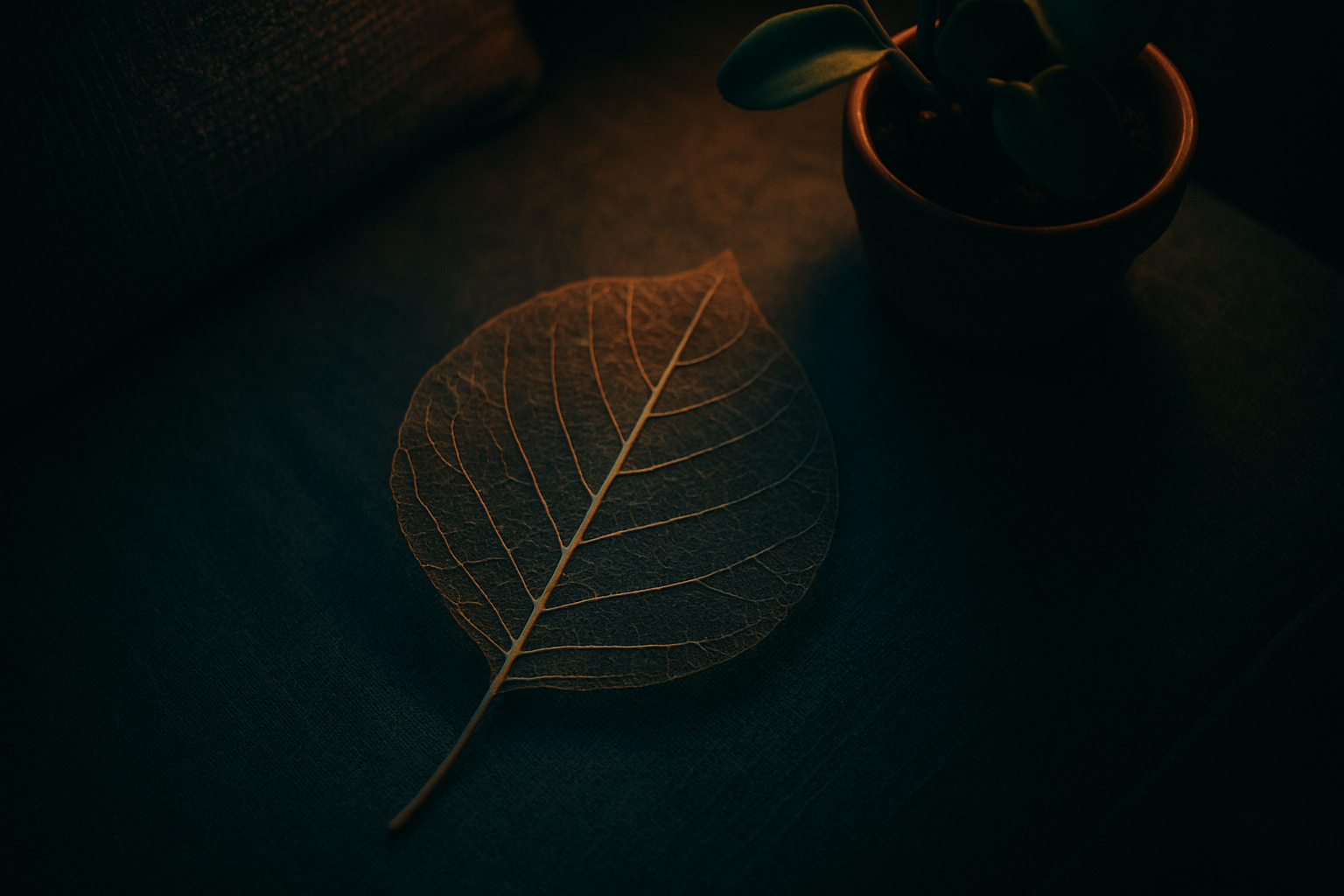
Bringing the outdoors in doesn’t require a renovation or a huge budget. With a few intentional updates, you can infuse your home with calming, nature connected energy.
Simple Swaps to Get Started
Even minor changes can create a big impact in how your space feels:
Place potted plants strategically: Start with low maintenance greenery like snake plants, pothos, or ZZ plants.
Incorporate wooden accents: Swap plastic or metal for natural materials in furniture, shelving, or décor.
Use natural textiles: Choose linen, cotton, or jute for cushions, rugs, and curtains.
Layout Hacks for Natural Light
Light is a key element in biophilic design. Use your layout to maximize brightness:
Open windows often to let in fresh air and connect your space to outdoor rhythms.
Use mirrors strategically to reflect sunlight deeper into the room, especially in darker spaces.
Avoid heavy curtains that block natural light use sheer options instead.
Create Small Sanctuaries
Design cozy places that make you feel grounded and at peace:
Reading nooks with a plant filled corner and warm lighting
Quiet alcoves near windows, featuring soft textures and natural elements
Green retreats set up floor cushions or a yoga mat near indoor plants to recharge
Room by Room Nature Inspired Ideas
Each room in your home offers opportunities to weave in natural elements:
Kitchen: Grow herbs on a sunlit windowsill for both function and design appeal.
Bathroom: Use bamboo accessories, river stones, and moisture loving plants for a spa vibe.
Bedroom: Choose earth tone linens, wood furniture, and calming artwork for a grounded, restful feel.
Want more inspiration? Be sure to explore our full biophilic design guide for walkthroughs, visuals, and expert tips.
Sustainability and Mental Health Benefits
Nature isn’t just a backdrop it’s a tool. In well designed interiors, natural elements play a quiet but powerful role in reducing stress. Sunlight boosts serotonin. Indoor plants lower cortisol and clean the air. Natural textures soften harsh lines and make a space feel less sterile. You don’t need a jungle in your living room to notice the impact just a few intentional choices can shift a mood.
Biophilic design also overlaps with eco conscious living. Materials like reclaimed wood, clay, and bamboo are both sustainable and sensory. Swapping synthetic fabrics for organic cotton or wool cuts toxins and adds texture. When your home breathes, so do you. It’s more than aesthetics it’s about creating balance, conserving resources, and feeling better in your space.
The goal isn’t perfection. It’s building rooms that feel alive, that reflect what makes us human. Not just places to live but places that help us come back to ourselves.
Getting Started with Purpose
Designing with intention means tuning into what brings you a personal sense of peace rather than following fleeting trends. This is where biophilic design becomes more than just aesthetics it becomes a customized expression of what makes you feel connected to the natural world.
Reflect on Your Personal Nature Language
Before picking out materials or rearranging furniture, ask yourself:
What natural environments make you feel the most grounded forests, beaches, deserts, mountains?
Are you more drawn to a lush, green look, or minimal, earthy palettes?
Do certain textures, like rough wood or smooth stone, evoke calm for you?
Focus your design choices around the kind of nature that resonates with you. This will make your space feel authentic and restorative.
Blend the Natural with the Modern
Biophilic design doesn’t mean you need to abandon contemporary aesthetics. Some of the most stunning spaces come from contrast:
Pair sleek architecture with reclaimed wood beams or stone walls
Incorporate clean lined furniture upholstered in natural fabrics like linen or wool
Combine industrial fixtures with plant heavy accents
Creating contrast helps natural elements stand out without overwhelming the modern vibe of your home.
Make Impactful Changes Even on a Small Budget
You don’t need a total renovation to bring nature home. Thoughtful adjustments go a long way:
Bring in a few large, easy care plants (like snake plants or peace lilies)
Add a wooden bench or side table to anchor your space
Replace plastic décor with clay, rattan, or bamboo accessories
Use light, nature toned curtains to enhance daylight
These updates are low effort yet dramatically shift the atmosphere in your space.
(For more real world applications, don’t miss this biophilic design guide)
 Claricel Francoisery is an accomplished landscape design specialist and ornamental gardening expert at Garden Nation, bringing over twelve years of professional experience in transforming residential and commercial outdoor spaces into stunning botanical showcases. With a degree in Landscape Architecture and a passion for horticulture, Claricel combines artistic vision with practical horticultural knowledge to create gardens that are as beautiful as they are functional.
At Garden Nation, Claricel shares her extensive expertise in garden design principles, focusing on color theory, seasonal plantings, perennial combinations, and creating year-round visual interest. Her articles guide gardeners through the process of designing landscapes that complement architectural styles, work with local soil conditions, and incorporate native plants that support local ecosystems. She believes that every outdoor space has untapped potential and that thoughtful design can transform backyards into personal sanctuaries.
Claricel's specialties include cottage garden design, contemporary minimalist landscapes, ornamental tree selection, and creating low-maintenance gardens for busy homeowners. She is particularly passionate about helping readers understand the principles behind successful garden design, enabling them to make confident choices when planning their own outdoor spaces. Her writing demystifies design concepts, making them accessible to both beginners and experienced gardeners.
Beyond writing for Garden Nation, Claricel actively contributes to her local horticultural community through garden tours, design consultations, and educational workshops. She stays current with emerging trends in landscape design while remaining committed to timeless principles that create enduring beauty and ecological value in any garden setting.
Claricel Francoisery is an accomplished landscape design specialist and ornamental gardening expert at Garden Nation, bringing over twelve years of professional experience in transforming residential and commercial outdoor spaces into stunning botanical showcases. With a degree in Landscape Architecture and a passion for horticulture, Claricel combines artistic vision with practical horticultural knowledge to create gardens that are as beautiful as they are functional.
At Garden Nation, Claricel shares her extensive expertise in garden design principles, focusing on color theory, seasonal plantings, perennial combinations, and creating year-round visual interest. Her articles guide gardeners through the process of designing landscapes that complement architectural styles, work with local soil conditions, and incorporate native plants that support local ecosystems. She believes that every outdoor space has untapped potential and that thoughtful design can transform backyards into personal sanctuaries.
Claricel's specialties include cottage garden design, contemporary minimalist landscapes, ornamental tree selection, and creating low-maintenance gardens for busy homeowners. She is particularly passionate about helping readers understand the principles behind successful garden design, enabling them to make confident choices when planning their own outdoor spaces. Her writing demystifies design concepts, making them accessible to both beginners and experienced gardeners.
Beyond writing for Garden Nation, Claricel actively contributes to her local horticultural community through garden tours, design consultations, and educational workshops. She stays current with emerging trends in landscape design while remaining committed to timeless principles that create enduring beauty and ecological value in any garden setting.