Mastering the Bloom Cycle
If you want continuous color in your garden, start with the basics: know your USDA hardiness zone. It’s not just a gardening formality it tells you what plants can survive your local winters and which ones will thrive. No surprises, no wasted effort.
Once you’ve got the zone locked in, plan for a staggered bloom schedule. That means selecting plants with different flowering windows early spring bloomers, midsummer fireworks, and those tough fall finishers. Layering each season ensures there’s always something catching the eye.
Don’t just rely on one type of plant, either. Mix it up. Annuals bring quick, flash in the pan color. Perennials come back each year, steady and dependable. Bulbs are your seasonal anchors, popping up year after year with little maintenance. The trio together? That’s your power move for full season payoff.
What to Plant and When
Timing is everything when it comes to maintaining a vibrant, ever blooming garden. By planting strategically throughout the year, you can keep color and interest alive in every season.
Spring: A Fresh Start
As the garden awakens from winter, it’s time to plant for immediate color and lasting growth.
Bulbs: Daffodils, tulips, hyacinths, and crocuses offer early color and classic charm.
Early Perennials: Think columbine, bleeding hearts, and hellebores for resilience and return.
Cool Season Vegetables: Lettuce, spinach, peas, and kale thrive in the cooler temperatures.
Summer: Heat Lovers and Heavy Bloomers
Long days and strong sun call for plants that can handle the heat and put on a show.
Heat Tolerant Flowers: Zinnias, marigolds, cosmos, and sunflowers bloom boldly.
Succulents: Ideal for arid beds and containers low maintenance, high visual impact.
Fruiting Plants: Tomatoes, peppers, and berries bring both beauty and harvest rewards.
Fall: The Afterglow
Extend your garden’s beauty while prepping it for the colder months ahead.
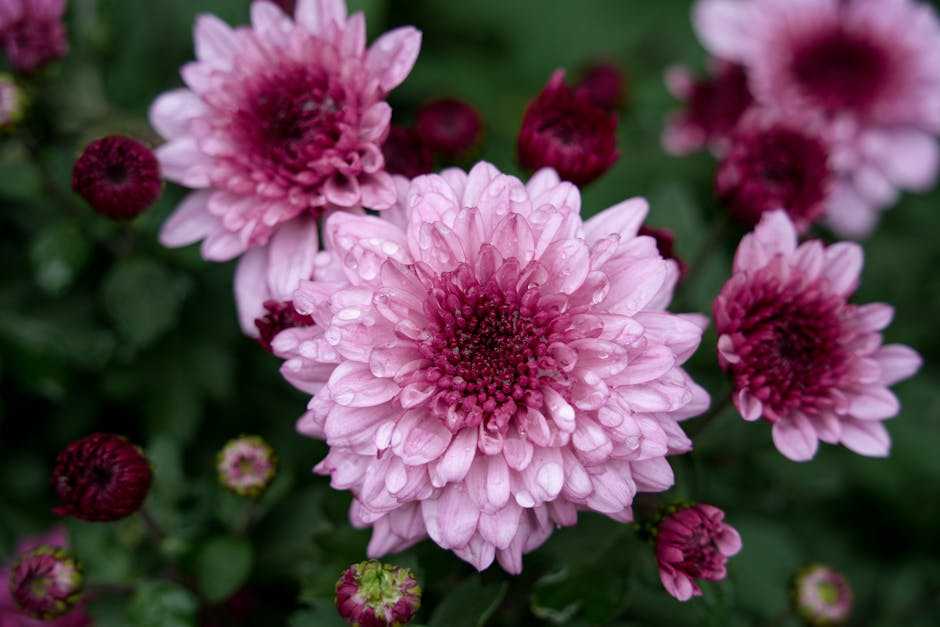
Late Bloomers: Asters, mums, and sedum provide rich hues when most plants fade.
Ornamental Grasses: Add movement and texture that lasts through the first frosts.
Overwintering Crops: Garlic, onions, and cover crops support gardens into next spring.
Winter: Quiet, But Not Colorless
Even during dormancy, your garden can offer structure, greenery, and subtle blooms.
Evergreens: Boxwood, holly, and juniper give year round structure and color.
Hellebores: Known as “Christmas roses,” these bloom during the cold months.
Container Displays: Use winter pansies, ornamental cabbage, and pine branches for texture and interest.
By choosing the right plants for each season, your garden remains dynamic and inviting no matter the month.
Soil Health = Flower Health
Great blooms start underground. If your soil’s dead, your garden’s just decoration. One key move: rotate your planting zones. That means not planting the same thing in the same place every season. Different plants use different nutrients. Let them take turns. It keeps the soil balanced and avoids burnout.
Every growing season, feed your soil like it feeds your garden. Add compost, worm castings, or aged manure whatever organic matter you’ve got. This keeps the microbe world alive and humming underneath the surface.
Top it all off with mulch. A thick, even layer does more than just look tidy. It locks in moisture, keeps roots cool when it’s hot, and protects them when it gets frosty. Also cuts down on weeds, which are nobody’s favorite chore. Healthy soil isn’t a one time thing. It’s an ongoing strategy.
Pruning and Deadheading Strategy
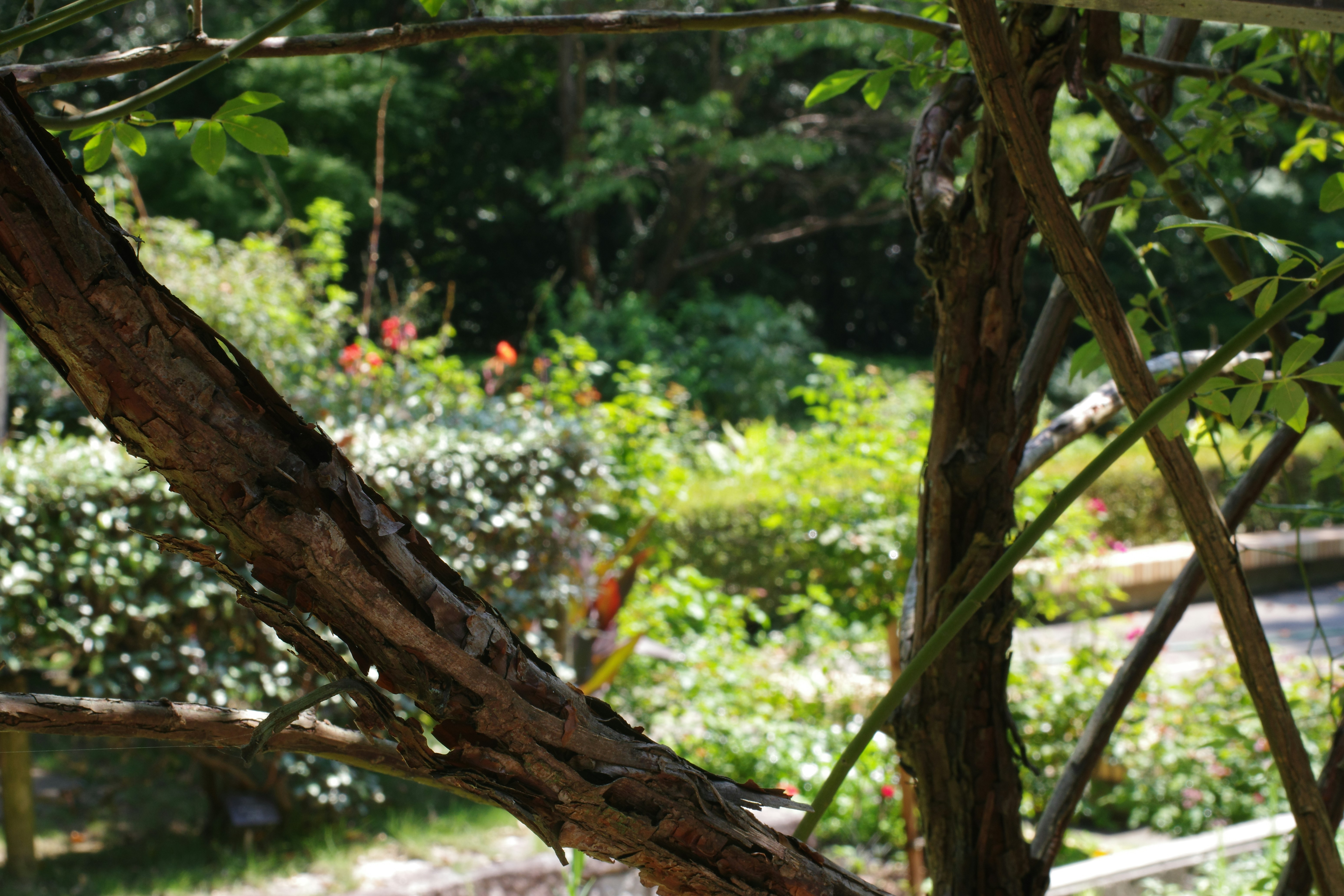
Cutting back at the right time isn’t just about tidiness it can make the difference between one round of blooms and two. For many flowering perennials, a mid season trim right after the first flush fades encourages plants to send up fresh buds. Think of it as pressing reset. Don’t wait for the plant to go fully leggy or tired; as soon as blooms start to wilt, cut back by about a third. Use clean, sharp shears and trim just above a leaf node.
Deadheading, while simple, packs a punch. By snapping off spent flowers, you stop the plant from putting energy into seed production. Instead, that energy gets redirected into root strength and new blooms. This matters with plants like petunias, geraniums, and zinnias they’ll keep flowering as long as you keep pinching.
Not all plants like the same haircut, though. Lavender does best with light shaping after its bloom cycle, avoiding hard cuts into woody stems. Roses can handle deeper pruning, especially repeat blooming varieties cut cane tips at a 45 degree angle just above outward facing buds. For bushier plants like salvia or black eyed Susans, simple shearing halfway down the plant often does the trick.
Prune early in the morning, when plants are hydrated. And always skip wet foliage that’s a shortcut to disease. The key is observation watch how your plants respond, and adjust your timing and cuts with the season.
Watering Smarter, Not Harder
Watering isn’t just about frequency it’s about precision. Deep rooted plants like shrubs and mature perennials need fewer, longer soaks. Shallow rooted flowers or veggies may need more regular attention. But whether you’ve got sandy soil or heavy clay, pay close attention to the weather. Skip the hose after a good rain, and hold back on watering during cool spells to avoid rot.
Drip irrigation is your secret weapon if you want to save time and water. It gets moisture right where it’s needed at the roots without splashing leaves or evaporating in the sun. It’s efficient, easy to automate, and way better than chasing dry spots with a spray nozzle.
Want to go eco friendly? Set up a few rain barrels. Capturing runoff from your roof gives you a steady supply of soft, chlorine free water and cuts your utility bill while you’re at it. Smart, simple, and sustainable. That’s modern gardening.
Seasonal Maintenance Essentials
Gardeners who keep their beds blooming year round don’t wing it. They work from a plan. A seasonal gardening checklist is your best ally here one that breaks the year into doable, well timed steps. You don’t have to reinvent your approach each month. Just check the chart, trim what’s done, feed what’s hungry, and prep for what’s coming.
There are also tools you should always have within arm’s reach. Think bypass pruners that stay sharp, a hand trowel that doesn’t bend, gloves that actually fit, and a soil knife for just about everything else. Keep them clean and store them somewhere dry so they’re ready when you are.
And then there’s the battle against pests. It doesn’t have to be chemical warfare. Natural deterrents like neem oil, crushed eggshells, diatomaceous earth, or garlic sprays do solid work when used early and consistently. Prevention matters more than cure. If you catch signs of trouble chewed leaves, odd spots, sluggish growth don’t wait. Intervene before it spreads.
Reliable maintenance isn’t complicated, but it is consistent. Follow the checklist, keep your tools sharp, and defend your plants before pests take over. That’s the routine champions follow.
Planning Ahead Every Season
Start with a sketch. Nothing fancy just a simple layout of your beds, planters, and containers. Mark the sun exposure, note existing plants, and carve out intentional zones for color succession. Think of it like a garden storyboard: what’s supposed to be blooming in March? What follows in June? Who’s still standing come October?
Overlapping bloom schedules is where the real strategy kicks in. If your tulips fade in early spring, make sure columbines or alliums are queued up right after. Follow dahlias with asters. Layering annuals and perennials lets you punch up the display while new growth works its way in. Set it up right, and you’ll never see a dead season.
But don’t expect perfection. Seasonal shifts take some improvising. A cold snap can delay starts. Heat waves might cut some blooms short. Use these moments to reassess and replant. Pivot to late bloomers or quick growing filler plants. This isn’t about rigid schedules it’s about sustaining flow.
To stay sharp, revisit this seasonal gardening checklist regularly. It’ll help you keep one step ahead of what’s fading and what’s coming next.
Key Takeaways for Continuous Color
Consistency is what keeps your garden alive not just in blooms, but in rhythm. Keep showing up, even when the weather shifts or life gets in the way. Observe what’s thriving, what’s struggling, and what needs adjusting. Gardening isn’t static. Neither is nature.
Be flexible. One late frost can knock back your early spring hopes, and one heat wave can torch a bed of annuals. Adapt as you go. Swap out underperformers. Shift plants around. Lean into what your space responds to.
Thinking beyond the week to week grind is the real game changer. Season after season, layer your garden so something is always stepping into the spotlight. Early bulbs fade as summer climbers take hold. Fall grasses wave as winter evergreens step in. Good gardens aren’t accidents they’re layered intentions.
And yes, planning matters. Sketch it out. Track your success. Revisit your layout mid season. A little forethought saves stress and builds a space that brings color and joy all year long.
 Zyphara Kryndall is a botanical scientist and certified horticulturist bringing rigorous scientific research and advanced horticultural expertise to Garden Nation's audience. With a background in plant physiology, environmental science, and practical greenhouse management, Zyphara bridges the gap between academic botany and practical home gardening, helping readers understand the "why" behind successful growing techniques.
Zyphara's contributions to Garden Nation explore advanced propagation methods, plant genetics and breeding principles, soil microbiology, photosynthesis optimization, and cutting-edge horticultural technologies. She translates complex scientific concepts into understandable, actionable advice that empowers gardeners to grow plants more successfully. Whether discussing nutrient uptake, light spectrum requirements, or the microbial relationships in healthy soil, Zyphara's science-informed approach elevates gardening from traditional practice to informed craft.
Her specialties include indoor gardening technology, hydroponic and aquaponic systems, plant tissue culture, disease management through understanding plant biology, and optimizing growing conditions for maximum health and productivity. Zyphara is fascinated by how understanding plant physiology enables gardeners to troubleshoot problems more effectively and create ideal growing environments for different species.
Beyond her contributions to Garden Nation, Zyphara actively collaborates with university research programs and botanical institutions, translating recent horticultural discoveries into accessible content for home gardeners. She regularly attends horticultural conferences, maintains connections with plant breeding programs, and stays at the forefront of innovation in growing technology. Her mission is to democratize botanical knowledge, proving that scientific understanding and practical gardening success are not exclusive to professionals but accessible to anyone willing to learn.
Zyphara Kryndall is a botanical scientist and certified horticulturist bringing rigorous scientific research and advanced horticultural expertise to Garden Nation's audience. With a background in plant physiology, environmental science, and practical greenhouse management, Zyphara bridges the gap between academic botany and practical home gardening, helping readers understand the "why" behind successful growing techniques.
Zyphara's contributions to Garden Nation explore advanced propagation methods, plant genetics and breeding principles, soil microbiology, photosynthesis optimization, and cutting-edge horticultural technologies. She translates complex scientific concepts into understandable, actionable advice that empowers gardeners to grow plants more successfully. Whether discussing nutrient uptake, light spectrum requirements, or the microbial relationships in healthy soil, Zyphara's science-informed approach elevates gardening from traditional practice to informed craft.
Her specialties include indoor gardening technology, hydroponic and aquaponic systems, plant tissue culture, disease management through understanding plant biology, and optimizing growing conditions for maximum health and productivity. Zyphara is fascinated by how understanding plant physiology enables gardeners to troubleshoot problems more effectively and create ideal growing environments for different species.
Beyond her contributions to Garden Nation, Zyphara actively collaborates with university research programs and botanical institutions, translating recent horticultural discoveries into accessible content for home gardeners. She regularly attends horticultural conferences, maintains connections with plant breeding programs, and stays at the forefront of innovation in growing technology. Her mission is to democratize botanical knowledge, proving that scientific understanding and practical gardening success are not exclusive to professionals but accessible to anyone willing to learn.