Why Texture Matters More Than You Think
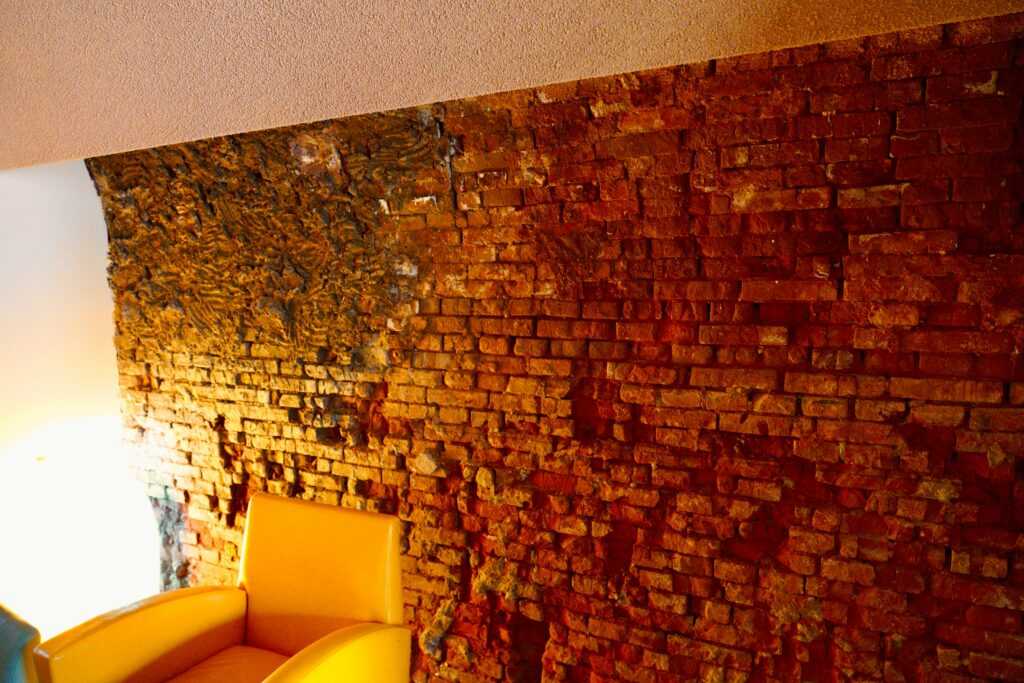
Texture is what separates a room that looks good from a room that feels good. You can paint the walls the perfect shade and arrange the furniture just right, but if everything feels flat or overly smooth, it lacks soul. Texture adds the visual interest and tactile comfort that create warmth it’s the unspoken layer that tells people they can settle in and stay awhile.
There are two sides to texture: visual and tactile. Visual texture comes from what you see grainy wood, a nubby throw, a lightly patterned rug. It adds depth, breaks up bland surfaces, and calls the eye. Tactile texture, on the other hand, is what your hands feel. Think soft fleece, rough linen, cool leather. It’s about physical sensation but also emotional impact. Some textures calm us, others energize.
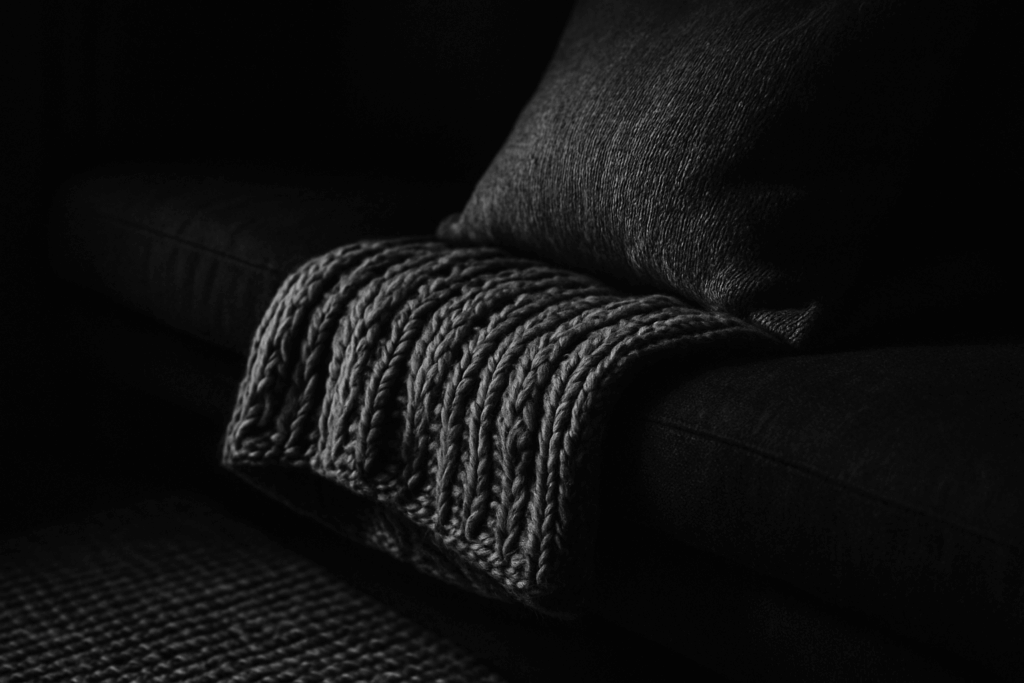
Layering textures is like composing music. Too much of one note, and it gets dull. But get the contrast right smooth against coarse, warm beside cool and suddenly a space feels full and alive. Done right, this layering calms a space, adds dimension without clutter, and makes anyone stepping into the room want to stay just a little longer.
Start with Foundational Surfaces
Before adding layers of throw blankets or accent pieces, dial in your base. The walls, floors, and even ceilings are the canvas for everything else and texture here sets the tone.
For the walls, skip the glossy paint. Matte finishes absorb light and feel grounded, creating a calm backdrop. Want more character? Wallpaper with subtle prints or natural textures like grasscloth adds dimension without noise. Wood paneling, especially with a raw or lightly finished surface, brings instant coziness and depth.
Floors matter more than most people realize. Hardwood gives warmth that’s both visual and physical. Top it with a soft rug plush or flatwoven to bring in another tactile layer. Layering rugs works too, as long as the colors and textures don’t compete.
And don’t forget the ceiling. It makes up one sixth of the room, yet it’s often ignored. Exposed beams add rustic charm. Even a skim coat of textured plaster or a soft off white paint with a bit of visual grain can make the ceiling feel intentional, not sterile.
Textures here form the bones of your space. Get them right, and the rest falls into place.
Layer in Soft Touches
Natural fibers bring that lived in, breathable comfort that makes a room feel like home. Cotton is a safe starting point dependable, soft, and low maintenance. Layer it with linen for a crisp, relaxed look that works across styles. Linen adds that telltale texture that says “effortless,” even when it’s rumpled. Wool brings warmth and structure ideal for cooler months or grounding a neutral color palette. Jute leans rustic, with a raw weave that instantly adds character. Use it in small doses, like a floor pouf or a basket, to avoid overwhelming the senses.
When it comes to styling throws and pillows, skip the trap of piling them on for the sake of it. The goal isn’t a showroom bed it’s a space that invites you in. Vary the texture and weight, not just the color. Mix a chunky knit wool throw with a lightweight linen one. Stick to odd numbered groupings three pillows, two throws enough to look intentional but not staged.
Think about shape and structure. Softness invites comfort, but structure brings design. A slouchy cotton cushion lives best next to a firm lumbar of wool felt. Throws with clean edges balance waffle weaves. It’s the contrast between cozy and tailored that keeps a room dynamic but grounded. You need both.
It’s not about having everything match it’s about making everything speak the same quiet language.
Play With Contrast, Not Clutter
Texture layering isn’t about piling on everything you like it’s about tension and balance. The magic happens when you play opposites against each other. Smooth next to coarse: think velvet throw pillows resting against a raw wood bench. It’s not fancy; it’s intentional. That contrast is what gives a room life.
Same goes for finish. Glossy leather beside a matte boucle chair arm creates a quiet visual rhythm. These combos don’t shout, but they keep the space from going flat. The goal is to invite curiosity make people want to look closer, maybe even touch.
Still, resist the urge to go wild. Keep your materials within a tight palette. If your tones are muted or earthy, stick with them. A cohesive color story makes all those texture shifts feel like one complete idea not a rummage sale.
Contrast is powerful, but only when it’s controlled. Let the textures breathe. Let them speak.
Don’t Forget Utility Elements

Function doesn’t have to come at the expense of feel. Curtains are a prime example thick weaves like velvet, wool, or heavyweight linen aren’t just about blocking light or adding privacy. They absorb sound, help insulate a space, and add movement and softness to walls. Even unlined, a textured curtain can bring more atmosphere than a flat drywall ever could.
Next up: lampshades, headboards, and upholstery. Texture here goes beyond looks. A boucle headboard, a slub cotton shade, or a rough spun slipcover introduces contrast and weight to a space, subtly grounding the room. It’s about quiet impact one deliberate shift can make the entire area feel more inviting.
Everyday items also pull double duty. A woven laundry basket, an old ladder used for blankets, a raw wood bench all utilitarian pieces that deliver visual texture. When chosen with intention and varied slightly in material, these elements form a layered story without adding clutter. The goal is comfort that feels lived in, not staged.
Add Character Through Handmade and Repurposed Pieces
In a world of mass production, bringing handmade and repurposed elements into your space introduces a unique kind of comfort one that feels soulful, lived in, and personal. This is where texture transforms from a design tool into a storytelling element.
Embrace Imperfection
Perfectly smooth and uniform surfaces can often feel cold. In contrast, handcrafted items offer:
Irregular patterns that add depth and interest
Visible markings like brush strokes, wood grain, or stitching
Subtle variations in color or weave that introduce warmth
These signs of imperfection invite curiosity and make a space feel more human.
Bring in Vintage and Upcycled Textiles
Old doesn’t mean outdated it means storied. Vintage fabrics and repurposed materials can become standout features when used thoughtfully:
A faded rug passed down through generations
Curtains made from antique linens
Patchwork throws or reupholstered chairs
Each piece adds texture both visually and emotionally, layering your space with authenticity.
Create Soulful Moments With Handcrafted Objects
Objects made by hand ceramics, woven baskets, carved wood pieces bring a tactile and visual richness that factory made items often lack.
Look for local artisans or small batch makers
Showcase one of a kind items in focal areas like shelves or tables
Mix materials like clay, metal, and textile for variety
Design Tip: DIY for a Personal Touch
Incorporating your own handmade or upcycled décor doesn’t just add texture it adds story. Plus, it’s a creative way to reflect your style while being environmentally conscious.
Start small with a photo frame, flower vase, or cushion cover
Browse secondhand stores or flea markets for materials
(Get inspired with DIY ideas: upcycle room accents)
Go Beyond Visual Use the Senses
Textures aren’t just what your eye catches they’re what your hand brushes against, what your ear picks up in the quiet, what your body feels when you settle in. Coziness lives in these subtle layers. Think of a heavy wool throw muffling sound in a reading nook or thick curtains softening the slap back echo of hardwood floors. Acoustic comfort is part of the equation sound is texture too.
But it doesn’t stop at touch and sound. Diffused lighting filtered through linen lampshades or bouncing softly off matte plaster sets the mood. And scent? It anchors you in the space. A chunk of cedar tucked into a drawer. A whiff of lavender from a nearby cushion. These small, textured details work together to bring a room into full body focus.
To get it right, think in layers not just visually, but through every sense. Cozy isn’t just how a room looks. It’s how it makes you feel from the moment you step in.
Keep It Balanced
There’s a fine line between cozy and cluttered. Layering textures is powerful, but too much of it can make a space feel heavy and chaotic. If everything’s textured, nothing stands out. Step back and ask: does the eye have room to rest? If not, you’ve probably gone too far.
Negative space is part of the design it gives the room a chance to breathe. Smooth walls, glass surfaces, or simple furniture silhouettes counterbalance all that tactile richness. Think of it like making music: pauses give the notes meaning.
And remember, your space doesn’t need to stay static. Switch out textiles seasonally a chunky wool throw in winter can make way for breezy linen in summer. You don’t have to overhaul the whole room. Just rotate a few pieces to refresh and keep your space feeling intentional, not overloaded.
Final Note: Make It Personal
There’s no blueprint for cozy. What comforts one person might feel totally off to another and that’s the point. The most inviting spaces reflect who lives in them. Whether it’s a wool throw from a trip through the Scottish Highlands, handwoven baskets picked up at a weekend market, or vintage denim repurposed into cushions, surround yourself with textures that hold meaning.
Don’t sweat the rules. Layer linen if it speaks to you. Throw in a chunk of raw wood or a splash of ceramic if it reminds you of somewhere you’ve been or want to go. Cozy doesn’t require permission; it just needs honesty.
If you’re not sure where to start, go small. A textured lampshade. A new rug corner. See how it feels. Trust your instinct. Build the room around pieces you connect with. Because at the end of the day, design trends come and go. But a home that feels like you never goes out of style.
(For more unique character: upcycle room accents)
 Zyphara Kryndall is a botanical scientist and certified horticulturist bringing rigorous scientific research and advanced horticultural expertise to Garden Nation's audience. With a background in plant physiology, environmental science, and practical greenhouse management, Zyphara bridges the gap between academic botany and practical home gardening, helping readers understand the "why" behind successful growing techniques.
Zyphara's contributions to Garden Nation explore advanced propagation methods, plant genetics and breeding principles, soil microbiology, photosynthesis optimization, and cutting-edge horticultural technologies. She translates complex scientific concepts into understandable, actionable advice that empowers gardeners to grow plants more successfully. Whether discussing nutrient uptake, light spectrum requirements, or the microbial relationships in healthy soil, Zyphara's science-informed approach elevates gardening from traditional practice to informed craft.
Her specialties include indoor gardening technology, hydroponic and aquaponic systems, plant tissue culture, disease management through understanding plant biology, and optimizing growing conditions for maximum health and productivity. Zyphara is fascinated by how understanding plant physiology enables gardeners to troubleshoot problems more effectively and create ideal growing environments for different species.
Beyond her contributions to Garden Nation, Zyphara actively collaborates with university research programs and botanical institutions, translating recent horticultural discoveries into accessible content for home gardeners. She regularly attends horticultural conferences, maintains connections with plant breeding programs, and stays at the forefront of innovation in growing technology. Her mission is to democratize botanical knowledge, proving that scientific understanding and practical gardening success are not exclusive to professionals but accessible to anyone willing to learn.
Zyphara Kryndall is a botanical scientist and certified horticulturist bringing rigorous scientific research and advanced horticultural expertise to Garden Nation's audience. With a background in plant physiology, environmental science, and practical greenhouse management, Zyphara bridges the gap between academic botany and practical home gardening, helping readers understand the "why" behind successful growing techniques.
Zyphara's contributions to Garden Nation explore advanced propagation methods, plant genetics and breeding principles, soil microbiology, photosynthesis optimization, and cutting-edge horticultural technologies. She translates complex scientific concepts into understandable, actionable advice that empowers gardeners to grow plants more successfully. Whether discussing nutrient uptake, light spectrum requirements, or the microbial relationships in healthy soil, Zyphara's science-informed approach elevates gardening from traditional practice to informed craft.
Her specialties include indoor gardening technology, hydroponic and aquaponic systems, plant tissue culture, disease management through understanding plant biology, and optimizing growing conditions for maximum health and productivity. Zyphara is fascinated by how understanding plant physiology enables gardeners to troubleshoot problems more effectively and create ideal growing environments for different species.
Beyond her contributions to Garden Nation, Zyphara actively collaborates with university research programs and botanical institutions, translating recent horticultural discoveries into accessible content for home gardeners. She regularly attends horticultural conferences, maintains connections with plant breeding programs, and stays at the forefront of innovation in growing technology. Her mission is to democratize botanical knowledge, proving that scientific understanding and practical gardening success are not exclusive to professionals but accessible to anyone willing to learn.