Start With Smart Planning
Before you pick up a hammer, pick up a notepad. Renovation projects don’t fail because of bad tools they stall because of poor planning. Whether you’re redoing a bathroom or building a deck, clarity on what you’re tackling shapes every decision that follows. Scope isn’t just about size. It’s about sequence, materials, and process.
Knowing what you’re building helps you know what you’ll need. Someone tackling trim work needs a miter saw and precision gear. A beginner redoing a kitchen won’t survive without a power drill and maybe a crash course in patience. Tool purchases should follow the plan, not the other way around.
That extra hour thinking through the steps can save you days fixing mistakes, rebuying tools, or staring blankly at a YouTube tutorial at midnight. Want a smart place to start? This breakdown from KDA Gardenation on planning renovations nails the essentials.
Core Hand Tools You’ll Reach for Every Time
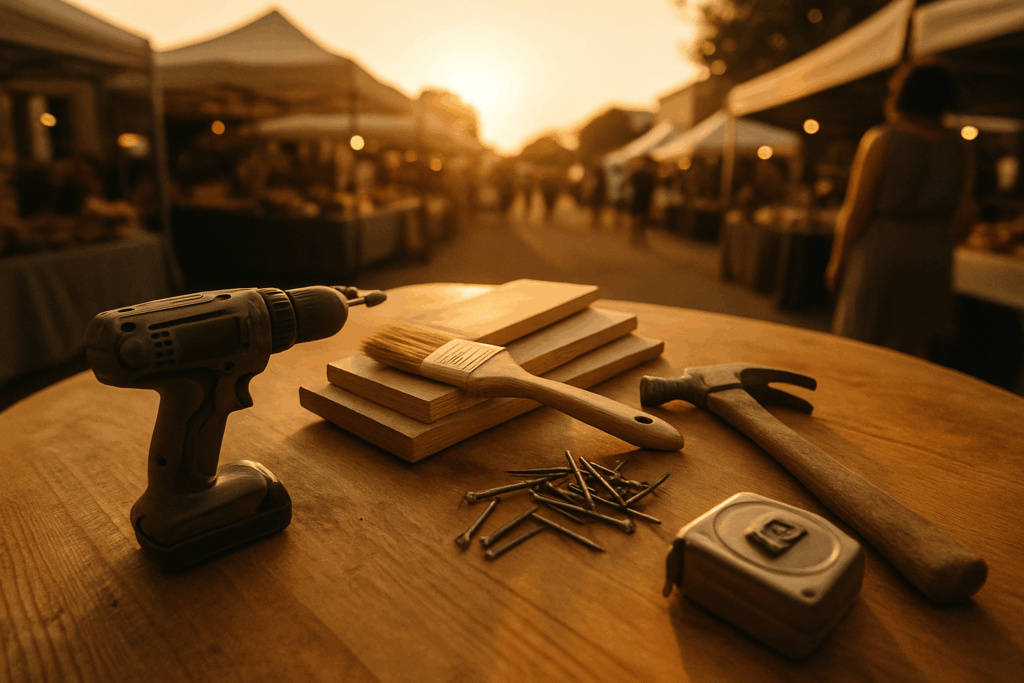
Some tools are just non negotiable the backbone of every renovation, big or small. Start with a solid claw hammer. It’s simple, but versatile: perfect for driving nails, prying up trim, or tapping things into place. No battery, no charger, just reliable muscle when you need it.
Next, a good tape measure. Spending a few seconds to measure twice really does save hours of fixing mistakes later. Look for one with a wide, sturdy blade that doesn’t bend on long spans it makes solo measuring way easier.
A utility knife should always be within reach. It handles everything from scoring drywall to slicing carpet and opening stubborn packaging. Keep extra blades around it’s faster (and safer) that way.
And finally, the humble level. Nothing undercuts your hard work faster than a shelf that lists to one side. A good level isn’t about being fancy it’s about getting things right. Straight lines, square corners, proper slope that’s what separates pro looking results from the rest.
Power Tools That Take You Further
When you’re ready to move beyond a hammer and elbow grease, these are the three essential power tools that earn their keep on almost every DIY renovation job.
Cordless Drill/Driver: Speed and Control in One
This is your everyday workhorse. From driving screws to drilling pilot holes, a cordless drill/driver gives you efficiency without the cord chaos. Invest in one with adjustable clutch settings, a reliable battery system, and enough torque to handle wood, drywall, or light masonry. You’ll use it more than you think and miss it every time it’s out of charge.
Circular Saw: Your Best Friend for Straight Cuts
Sheet goods like plywood or MDF aren’t going to cut themselves. A circular saw slices through them cleanly, letting you rip long, straight lines without needing a full table saw setup. Grab a straight edge or guide rail and you’re ready for framing, subfloors, or custom shelves. Just respect the power it’s loud, fast, and not the place to be casual.
Oscillating Multi Tool: The Unsung Hero for Tight Spaces and Odd Jobs
This one doesn’t get enough credit. Whether you’re under the sink cutting pipe, trimming door jambs for new flooring, or sanding a precise corner, the oscillating multi tool delivers. It’s like a Swiss Army knife for renovators. It doesn’t replace the heavy hitters but when you need finesse in a tough spot, this tool wins every time.
Safety Gear That’s Non Negotiable

If you’re going to tear things apart or build something new, your first line of defense is what you wear. Start with eye and ear protection no exceptions. Every saw cut, hammer swing, or tile snap throws off debris or cranks up the decibels. Your eyes and hearing don’t grow back. Keep safety glasses and earmuffs or plugs within arm’s reach. Always use them.
Next, gloves. Not the cheap kind. Go for heavy duty, well fitted ones that let you grip without sacrificing dexterity. Whether you’re hauling lumber or breaking down drywall, they’ll save your skin literally.
And don’t sleep on respiratory protection. A basic dust mask might cut it for simple sanding, but when it comes to demo or anything that kicks up fine particles (think insulation, old plaster, or paint), wear a proper respirator. Breathing in that stuff for days will mess you up long term.
This gear isn’t overkill it’s minimum standard. You can’t finish a project if you’re sitting in urgent care.
Bonus Tools That Punch Above Their Weight
Some tools aren’t used every single day but when you need them, nothing else compares.
Take the stud finder. It might feel like a luxury until you’re standing next to a freshly torn chunk of drywall, all because you guessed wrong. Whether you’re mounting a TV or installing floating shelves, a good stud finder gives you clear answers and peace of mind. Less trial and error, fewer patch jobs.
Then there’s the laser level. Classic bubble levels are fine, but laser versions give you precision lines across a room, hands free, in seconds. Hanging a gallery wall? Installing cabinets? This tool turns those frustrating “close enough” installs into pro grade results.
And finally, don’t underestimate a solid shop vacuum. It’s not glamorous, but it’s a quiet workhorse. Dust, wood chips, drywall scraps it handles messes that would ruin your workspace and clog your lungs. A clean site isn’t just tidy; it’s safer and more productive.
Each of these tools solves a specific problem. Together, they help you work smarter, not harder.
Stay Organized, Stay Efficient
Messy tools slow down good work. Whether you’re knocking out a weekend deck build or doing a full kitchen reno, staying organized gives you speed and sanity. Start with storage that matches how you work. A rugged tool bag is great for mobility if you bounce between rooms. Wall racks keep your most used gear in reach in a garage or shed. And for the heavy hitters or delicate tools, a lockable toolbox keeps everything protected and in place.
Next, label everything. Drawer inserts, plastic bins, even painter’s tape and a Sharpie it doesn’t have to be fancy, just fast to find. Sort by job (painting, plumbing, electrical) or by category (cutting, fastening, measuring). Pick a system and stick to it.
You’ll be shocked what one serious weekend of organizing can do. It cuts the mid project scavenger hunts. It trims your prep time. And over a full year, it might save you dozens of hours. Hours you could be spending on actual progress not on digging for that one socket you swear you saw last Tuesday.
Plan Smart, Build Better
There’s no substitute for having the right tools within arm’s reach. Whether you’re framing a wall or installing tile, good tools cut down on mistakes, shave hours off your timeline, and make tough jobs feel manageable. Precision and durability matter. So does fit. Tools that work with your space, skill level, and project type aren’t luxuries they’re the baseline for getting it right.
But resist the urge to buy everything at once. Don’t fill your garage with gadgets you’ll use once. Be deliberate. Start with what your current project demands. Borrow or rent tools you’re not sure you’ll use again. Over time, you’ll build up a kit that fits your style, not clutters your space.
If you’re still shaping your plans, take a look at this guide on smart planning for stress free renovations. It’ll help you decide what’s actually worth having before the dust starts flying.