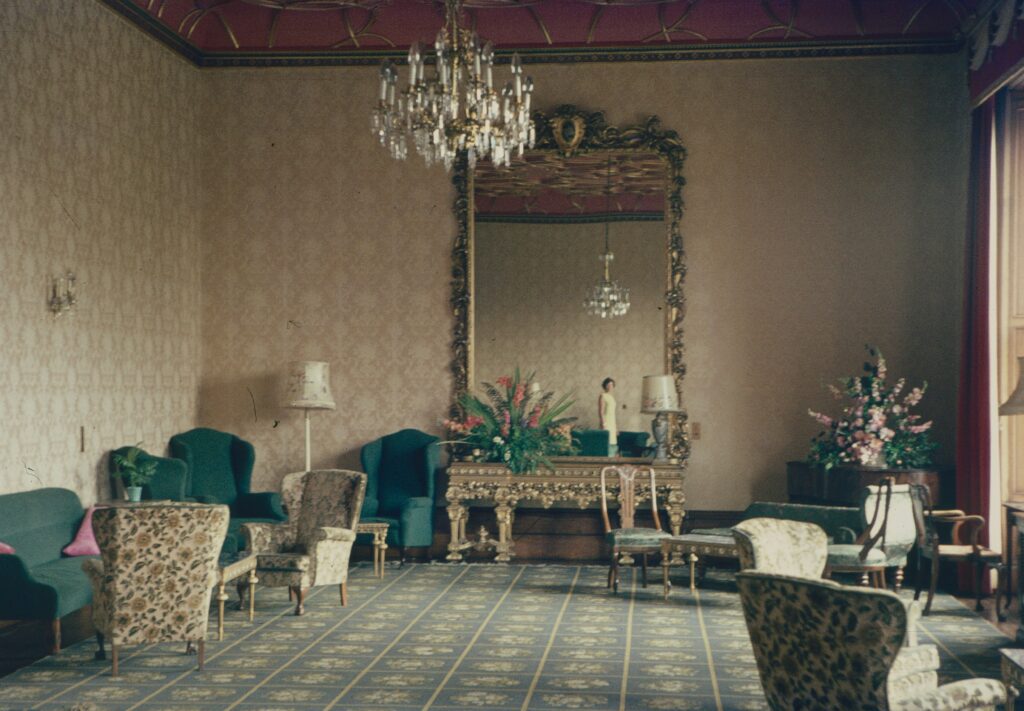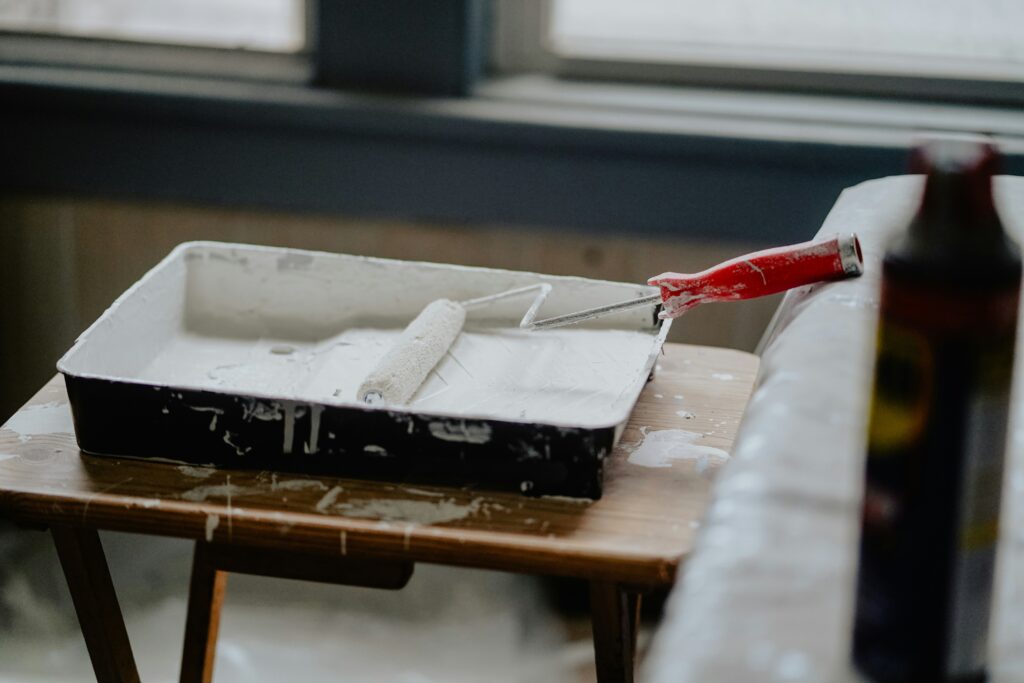
A living space makeover often starts with a spark of inspiration, the color that instantly brightens a room, the furniture that reshapes a layout, or the décor piece that transforms the mood. These projects bring creativity to life in a deeply personal way. Yet even the most exciting makeovers involve moments when plans shift or budgets stretch farther than expected.
Surprise expenses appear suddenly, influencing decisions and momentum. Navigating those moments becomes part of the creative process. With the right perspective and a flexible approach, a makeover remains enjoyable even when costs take an unexpected turn.
When Creative Ideas Meet Real-World Costs
A project’s vision often changes once work gets underway. Paint can appear different on the wall than on a sample, fabrics may shift under natural light, and shelving intended for a corner might require unexpected reinforcement. These moments are common in a makeover and usually reflect a clearer understanding of the space as work unfolds.
Many people also find that materials don’t stretch as far as expected. Extra paint might be needed for full coverage, wallpaper patterns can require additional rolls, and decorative trim often calls for more adhesive or nails than planned. These small findings gradually influence the budget, and navigating them involves reassessing what best contributes to the room’s overall atmosphere.
Creative direction may shift as the space takes shape. A bold accent wall might inspire a different rug, and freshly painted shelving can highlight the need for new storage baskets. These decisions often bring joy but also add cost, making it helpful to distinguish which changes truly enhance the room’s purpose and which ones benefit from measured restraint.
Responding to Unexpected DIY Curveballs
DIY projects frequently reveal small complexities. A chair meant for a quick sanding session could hide a loose joint requiring wood glue and clamps. A secondhand dresser might need new hardware after discovering the original screws no longer hold securely. A peel-and-stick wall decal may tear during installation, requiring a replacement set.
These hurdles are common. They surface during nearly every makeover regardless of experience level. Navigating these surprises involves pausing to evaluate the best path forward. Some items may be worth repairing; others may be more practical to replace. A calm reassessment often prevents unnecessary frustration and helps maintain the project’s creative energy.
Life Interruptions That Affect a Makeover Budget
A living space makeover rarely happens apart from everyday life, and unrelated expenses can surface while a project is underway. A medical bill may appear unexpectedly, a car repair might become urgent, or an electric bill may require immediate attention. These costs are separate from the makeover yet still influence how individuals manage their project budgets.
In these moments, some people look for ways to cover urgent non-project expenses without fully pausing their home improvement plans. Options such as short term online loans may help address time-sensitive financial needs and keep the household steady. These situations show that navigation involves managing both creative surprises and real-life demands that overlap with a project.
Thoughtful prioritization helps guide these decisions. Essential household needs typically take precedence, while makeover tasks move into a slower, more flexible phase until conditions stabilize. This structured approach supports clarity during challenging moments.
Adjusting Plans Without Losing Creative Momentum
Many individuals find that a steady, intentional pause can bring clarity when unexpected costs surface. A brief assessment offers perspective on what needs attention immediately and what can wait. The primary purpose of the makeover often becomes more visible during this reflection.
When costs increase unexpectedly, several navigational approaches may help:
- Adjust the initial plan by choosing alternative materials or finishes,
- Swap items between rooms to reduce the need for new décor,
- Scale back the project temporarily by focusing on one area at a time.
These decisions keep the project moving at a pace that fits the budget and available energy while preserving the creative spirit of the makeover. Revisiting the original mood board or inspiration images can also provide renewed clarity, as reconnecting with the initial vision often reduces pressure to purchase every item right away.
Budget Strategies That Support Smoother Navigation
Practical budgeting habits offer a steady foundation for navigating the unexpected costs that can emerge during a creative living space makeover.
Build a Flexible Spending Framework
A flexible spending framework helps individuals stay grounded throughout the makeover. Instead of creating a rigid list with fixed amounts, a more adaptable approach accounts for evolving ideas and small surprise costs. A cushion, often 10 to 20 percent of the total budget, creates space for unexpected needs without causing significant stress.
Track as You Go Instead of at the End
Tracking expenses periodically rather than at the end is another helpful practice. A running list or simple spreadsheet provides visibility into spending patterns. When surprises appear, quick adjustments can be made before costs grow beyond expectations. This habit also reinforces a clearer sense of control throughout the project.
Mix-and-Match Sourcing to Stay Adaptable
Sourcing items from a mix of places, thrift stores, digital marketplaces, local hardware shops, or repurposed household items, introduces options when prices fluctuate. This strategy offers flexibility and reduces the pressure to buy a specific item at a specific cost. It also brings originality to the makeover, as many of these finds add unique character to a space.
These strategies create a more resilient budget, giving individuals the flexibility to move through their makeover with confidence and control.
Planning Tools That Strengthen Future Makeovers
Thoughtful planning supports smoother decision-making during any makeover. Many individuals benefit from exploring guidance on organization, pacing, and preparation before starting their next project. Insights on planning and stress reduction can be found in resources such as Smart Planning for Stress-Free Renovations, which discuss strategies that apply to both large and small home improvement efforts.
Planning resources often emphasize breaking projects into segments, preparing materials ahead of time, and creating step-by-step pathways that allow for flexibility. These techniques help reduce the impact of surprise expenses and create an environment where creativity can thrive.
Progress Through Flexibility and Confidence
Creative living makeovers evolve through many small decisions, with surprises shaping the journey as much as the initial inspiration. Patience, planning, and flexibility keep the project enjoyable and preserve the original vision.
Each adjustment adds personality, creativity, and resourcefulness, resulting in a space that feels renewed and deeply personal, allowing the makeover to unfold with purpose rather than pressure. By embracing both expected and unexpected moments, homeowners can cultivate a space that truly reflects their style and way of living.
 Zyphara Kryndall is a botanical scientist and certified horticulturist bringing rigorous scientific research and advanced horticultural expertise to Garden Nation's audience. With a background in plant physiology, environmental science, and practical greenhouse management, Zyphara bridges the gap between academic botany and practical home gardening, helping readers understand the "why" behind successful growing techniques.
Zyphara's contributions to Garden Nation explore advanced propagation methods, plant genetics and breeding principles, soil microbiology, photosynthesis optimization, and cutting-edge horticultural technologies. She translates complex scientific concepts into understandable, actionable advice that empowers gardeners to grow plants more successfully. Whether discussing nutrient uptake, light spectrum requirements, or the microbial relationships in healthy soil, Zyphara's science-informed approach elevates gardening from traditional practice to informed craft.
Her specialties include indoor gardening technology, hydroponic and aquaponic systems, plant tissue culture, disease management through understanding plant biology, and optimizing growing conditions for maximum health and productivity. Zyphara is fascinated by how understanding plant physiology enables gardeners to troubleshoot problems more effectively and create ideal growing environments for different species.
Beyond her contributions to Garden Nation, Zyphara actively collaborates with university research programs and botanical institutions, translating recent horticultural discoveries into accessible content for home gardeners. She regularly attends horticultural conferences, maintains connections with plant breeding programs, and stays at the forefront of innovation in growing technology. Her mission is to democratize botanical knowledge, proving that scientific understanding and practical gardening success are not exclusive to professionals but accessible to anyone willing to learn.
Zyphara Kryndall is a botanical scientist and certified horticulturist bringing rigorous scientific research and advanced horticultural expertise to Garden Nation's audience. With a background in plant physiology, environmental science, and practical greenhouse management, Zyphara bridges the gap between academic botany and practical home gardening, helping readers understand the "why" behind successful growing techniques.
Zyphara's contributions to Garden Nation explore advanced propagation methods, plant genetics and breeding principles, soil microbiology, photosynthesis optimization, and cutting-edge horticultural technologies. She translates complex scientific concepts into understandable, actionable advice that empowers gardeners to grow plants more successfully. Whether discussing nutrient uptake, light spectrum requirements, or the microbial relationships in healthy soil, Zyphara's science-informed approach elevates gardening from traditional practice to informed craft.
Her specialties include indoor gardening technology, hydroponic and aquaponic systems, plant tissue culture, disease management through understanding plant biology, and optimizing growing conditions for maximum health and productivity. Zyphara is fascinated by how understanding plant physiology enables gardeners to troubleshoot problems more effectively and create ideal growing environments for different species.
Beyond her contributions to Garden Nation, Zyphara actively collaborates with university research programs and botanical institutions, translating recent horticultural discoveries into accessible content for home gardeners. She regularly attends horticultural conferences, maintains connections with plant breeding programs, and stays at the forefront of innovation in growing technology. Her mission is to democratize botanical knowledge, proving that scientific understanding and practical gardening success are not exclusive to professionals but accessible to anyone willing to learn.