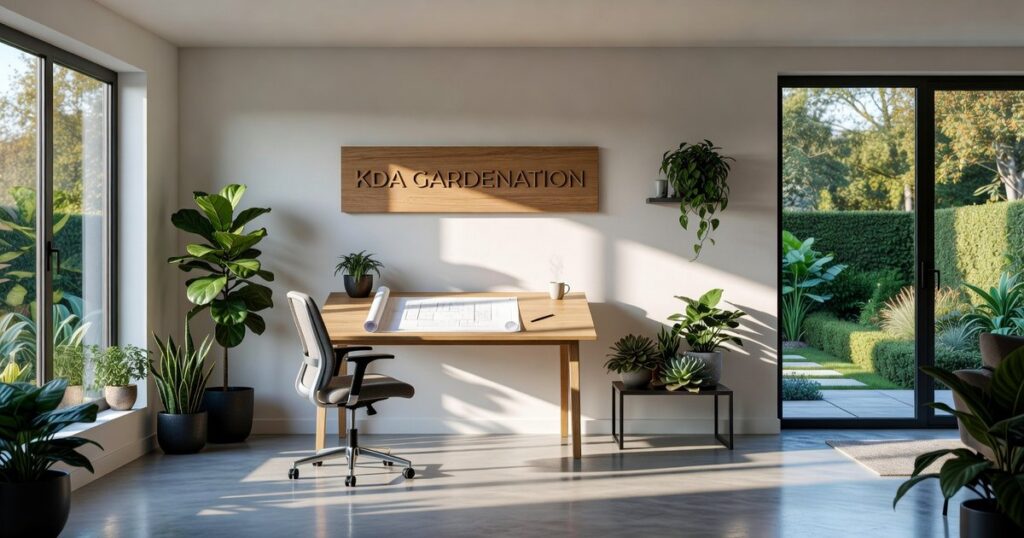
I look at backyards differently than most people.
You’re probably staring at your outdoor space right now wondering how to turn it into something that actually feels like yours. Not another cookie-cutter setup that looks like everyone else’s yard.
Here’s the truth: designing your own garden isn’t as complicated as the pros want you to think. You don’t need a landscape architect or a massive budget.
can i design my own garden kdagardenation
I’ve spent over a decade helping people transform their outdoor spaces. The process I use works whether you’re starting from scratch or fixing what’s already there.
This guide walks you through the exact steps to design a backyard that fits your life. Not some magazine spread that looks pretty but doesn’t make sense for how you actually use your space.
You’ll learn how to move from that fuzzy idea in your head to a real plan you can build. We’re talking practical steps, not vague inspiration.
Your backyard is more than just land sitting behind your house. It’s a canvas waiting for you to do something with it.
Let’s figure out what that something is.
Step 1: Define Your Garden’s Purpose and Style
You can’t design a garden that works if you don’t know what you need it to do.
I start every project with questions. Simple ones. Will you host weekend barbecues out here? Do you want a spot where you can disappear with a book? Are your kids going to turn this into a muddy obstacle course?
Write down your top three priorities. Not ten. Three.
Because here’s what happens when you skip this step. You end up with a beautiful space that nobody actually uses.
Now let’s talk about maintenance. How much time do you really have? And I mean really. Not the version where you imagine yourself spending peaceful Sunday mornings pruning roses.
If you’ve got twenty minutes a week, that’s fine. But it means you’ll want native plants that can handle themselves. Not a rose garden that demands constant attention (those things are needy).
Next, figure out what you actually like looking at.
Pull up some images. Gardens that make you stop scrolling. Notice the textures. The way light hits certain leaves. The sound of gravel under your feet or the smell of lavender when you brush past it.
Are you drawn to clean lines and open space? Or do you love when plants spill over edges and create that slightly wild feeling?
At kdagardenation, I tell people to make a simple mood board. You’ll start seeing patterns. Maybe you keep saving images with stone pathways. Or gardens with lots of green and almost no flowers.
That’s your style talking.
But here’s the thing that matters most. Function comes before pretty.
I know that sounds boring. But can i design my own garden kdagardenation that looks amazing but doesn’t work for how I live? Sure. Will I regret it? Absolutely.
Think about flow first. Where do people walk? Where does water collect when it rains? Which spots get blasted by afternoon sun?
Once you nail down the practical stuff, the aesthetic choices get easier. You’re not just picking what looks good. You’re picking what looks good and actually makes sense.
Step 2: Analyze Your Site—The ‘Facts on the Ground’
Here’s where most garden design advice gets it wrong.
Everyone tells you to start with Pinterest boards and plant catalogs. Pick what looks pretty and figure out the rest later.
That’s backwards.
I’m going to tell you something that might sound boring but will save you thousands of dollars and years of frustration. You need to map your actual site first.
Not what you wish it was. What it IS.
Start with a base map. You don’t need fancy software. Grab some graph paper and a tape measure. Sketch your property lines, your house footprint, existing trees, and where utilities run. (Yes, you need to know where that gas line is before you dig.) To transform your outdoor space into a thriving retreat that embodies the spirit of Kdagardenation, start by meticulously mapping out your property with graph paper, ensuring you include all essential features like trees and utility lines before diving into your landscaping project. By thoughtfully mapping out your outdoor space with careful attention to detail, you’ll lay the groundwork for a successful Kdagardenation that transforms your property into a flourishing sanctuary.
This is the foundation of how to design a garden layout Kdagardenation style.
Track the sun religiously. Go outside three times in one day. Morning, noon, and late afternoon. Watch where the light hits and where shadows fall. Mark it on your map.
Full sun means six hours or more of direct sunlight. Partial shade is three to six hours. Deep shade is less than three.
Most people guess at this. Then they wonder why their sun-loving roses look pathetic in what they THOUGHT was a sunny spot.
Figure out your soil and drainage. Is your soil clay, sand, or loam? Where does water sit after it rains? Where does it disappear in minutes?
You can buy the fanciest plants in Nebraska, but if you stick a moisture-loving plant in bone-dry soil, it’s going to die. Period.
Some experts say you can amend any soil to grow anything. Sure, technically. But do you really want to spend every weekend fighting your site’s natural conditions?
Work WITH what you have first.
Map your views. Stand in different spots around your yard. What do you want to look at? What makes you cringe?
Your neighbor’s rusty shed doesn’t need to be part of your morning coffee view. That mature oak tree in the corner? That should be a focal point.
This step feels tedious. I know.
But skipping it is why so many gardens fail before they even start.
Step 3: Layout and Structure—Creating ‘Garden Rooms’
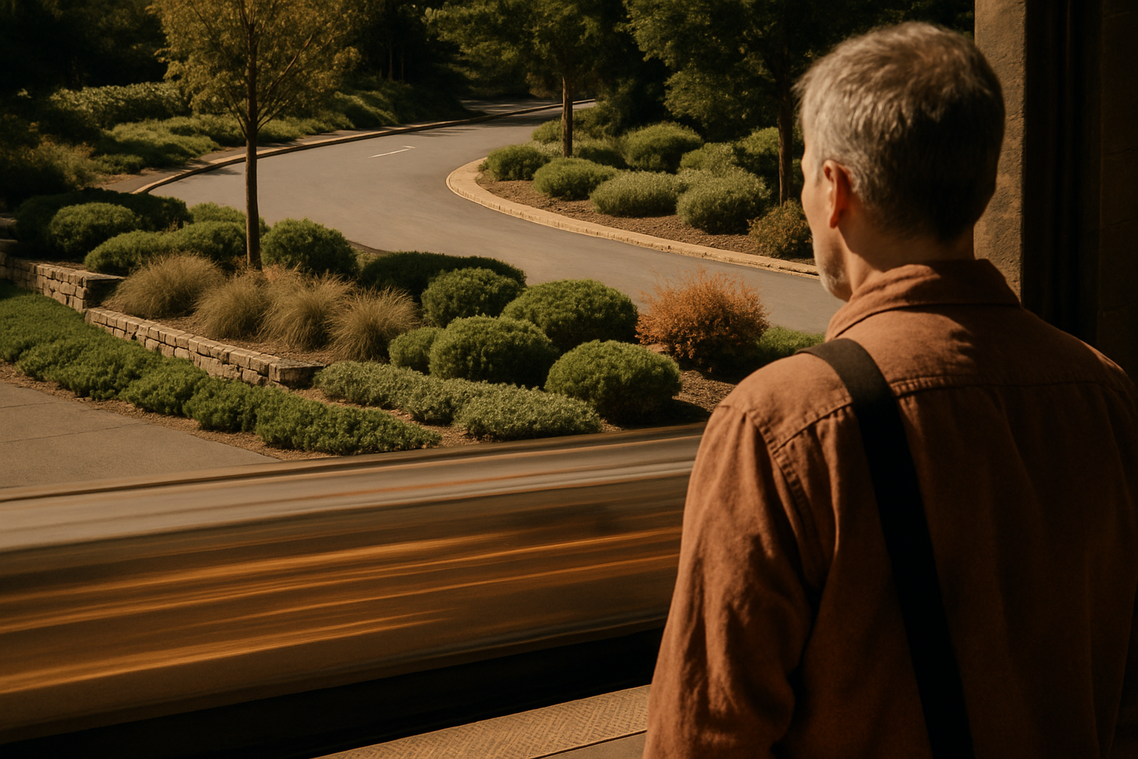
You know those gardens that just feel right the moment you walk into them?
The ones where you naturally know where to sit, where to walk, and where everything belongs? For the full picture, I lay it all out in Why Gardens Are Important Kdagardenation.
That’s not luck. It’s layout.
Most people skip this step. They buy plants they like and stick them wherever there’s space. Then they wonder why their garden feels chaotic.
Here’s what I do instead.
Start with bubble diagrams. Grab a copy of your base map and draw rough circles where your zones go. One bubble for your dining area. Another for that relaxation spot you planned. Maybe one for the kids’ play space.
Sounds too simple, right?
But this is where you figure out if your ideas actually fit. If that massive dining table you want will leave room for anything else. (Spoiler: it usually won’t.)
The bubbles show you flow and scale before you spend a dime.
Next, think about how you’ll move through the space. How do you get from your back door to the patio? From the patio to where you’re growing tomatoes?
Paths aren’t just functional. They guide your eye and create that sense of journey I mentioned earlier.
Now here’s the part most DIY guides gloss over.
You need to plan your hardscaping first. The bones of your garden. Your patios, decks, pergolas, and pathways. These are permanent, so you want them right.
I always ask clients: can i design my own garden kdagardenation style without getting overwhelmed? And the answer is yes, but only if you nail the structure first. By mastering the foundational elements of garden design, you can explore creative possibilities like Yard Designs Kdagardenation without feeling overwhelmed. By establishing a solid framework for your garden, you can confidently embrace innovative styles like Yard Designs Kdagardenation, allowing your creativity to flourish without feeling overwhelmed.
Pick materials that match your aesthetic. Stone if you want that cottage feel. Sleek pavers for something modern. Gravel for a relaxed vibe.
Don’t forget to think vertically either. Add a trellis here. A small tree there. Maybe a pergola if you’ve got the space.
Height makes small gardens feel bigger and large gardens feel cozier. It’s one of those tricks that sounds backwards but actually works.
Step 4: The Fun Part—Choosing Plants and Features
This is where your garden stops being lines on paper and starts feeling real.
I won’t lie. Walking into a nursery with your plan can feel overwhelming. Rows and rows of plants, all screaming for attention with their blooms and tags promising “easy care” and “stunning color.”
Here’s what I do instead.
I pull out my sun map (remember that from earlier?) and I get picky. Really picky.
Right Plant, Right Place
Your sun map tells you everything you need to know. That shady corner under the oak? It’s not getting a sun-loving rose no matter how much you want one there.
I group plants by what they need. The thirsty ones go together. The drought-tolerant ones hang out in another spot. It sounds simple because it is. But you’d be surprised how many people skip this step and wonder why half their garden dies by August.
According to research from the University of Nebraska-Lincoln Extension, proper plant placement based on light requirements can reduce plant mortality by up to 60% in the first year.
Now here’s something most gardeners won’t tell you.
Flowers are great. I love them. But they’re gone in a few weeks.
Foliage? That’s your real MVP. I look for plants with interesting leaf shapes and colors. Blues, silvers, burgundies. Mix in different textures. Big hosta leaves next to fine ornamental grass. Smooth against rough.
(This is how you get a garden that looks good in July and October.)
The Glue That Holds It Together
Repetition might sound boring but it’s not.
I pick three or four plants and use them throughout the yard designs kdagardenation space. Maybe it’s a dwarf spruce that shows up in three different beds. Or a specific color of stone that appears in multiple areas.
It makes everything feel intentional instead of like you just bought whatever was on sale.
Some people say you should plant one of everything to get variety. But that approach usually creates chaos. Your eye doesn’t know where to land. We break this down even more in Kdagardenation Garden Guide by Kdarchitects.
I’d rather have fewer types of plants used well than a collector’s garden that feels scattered.
Give Them Something to Look At
Every garden needs a star.
For me, it’s an old iron bench I found at an estate sale. For you, it might be a Japanese maple, a fountain, or a fire pit where people actually want to hang out.
The point is this. When someone walks into your space, their eye should find a resting place. Something that says “this is what can i design my own garden kdagardenation is about.”
Pro tip: Your focal point doesn’t need to be expensive. I’ve seen gardens anchored by a simple birdbath or a well-placed boulder. It’s about placement and intention, not price tags. When considering the essential elements of your outdoor space, learning “How to Design a Garden Layout Kdagardenation” can help you create an inviting atmosphere that prioritizes thoughtful placement over extravagant spending. When exploring the balance of aesthetics and functionality in your outdoor sanctuary, understanding “How to Design a Garden Layout Kdagardenation” can truly transform your space into a harmonious retreat.
Pick your plants with purpose. Repeat what works. And give people something worth looking at.
That’s how you build a garden that actually matters.
Your Personalized Oasis Awaits
You came here wondering if you could actually design your own garden.
The answer is yes. And now you know how.
You don’t need to stare at that blank yard feeling lost anymore. You don’t need a cookie-cutter design that looks like everyone else’s space.
The steps are straightforward. Define why you want a garden in the first place. Study your site and understand what you’re working with. Structure your layout so it makes sense. Then choose plants that fit your vision.
This is how you build something that’s actually yours.
can i design my own garden kdagardenation gives you the framework. You bring the vision.
The perfect backyard starts with one simple action. Grab a notepad and head outside. Start mapping what you want your space to become.
Your dream garden is waiting. Go create it.
 Zyphara Kryndall is a botanical scientist and certified horticulturist bringing rigorous scientific research and advanced horticultural expertise to Garden Nation's audience. With a background in plant physiology, environmental science, and practical greenhouse management, Zyphara bridges the gap between academic botany and practical home gardening, helping readers understand the "why" behind successful growing techniques.
Zyphara's contributions to Garden Nation explore advanced propagation methods, plant genetics and breeding principles, soil microbiology, photosynthesis optimization, and cutting-edge horticultural technologies. She translates complex scientific concepts into understandable, actionable advice that empowers gardeners to grow plants more successfully. Whether discussing nutrient uptake, light spectrum requirements, or the microbial relationships in healthy soil, Zyphara's science-informed approach elevates gardening from traditional practice to informed craft.
Her specialties include indoor gardening technology, hydroponic and aquaponic systems, plant tissue culture, disease management through understanding plant biology, and optimizing growing conditions for maximum health and productivity. Zyphara is fascinated by how understanding plant physiology enables gardeners to troubleshoot problems more effectively and create ideal growing environments for different species.
Beyond her contributions to Garden Nation, Zyphara actively collaborates with university research programs and botanical institutions, translating recent horticultural discoveries into accessible content for home gardeners. She regularly attends horticultural conferences, maintains connections with plant breeding programs, and stays at the forefront of innovation in growing technology. Her mission is to democratize botanical knowledge, proving that scientific understanding and practical gardening success are not exclusive to professionals but accessible to anyone willing to learn.
Zyphara Kryndall is a botanical scientist and certified horticulturist bringing rigorous scientific research and advanced horticultural expertise to Garden Nation's audience. With a background in plant physiology, environmental science, and practical greenhouse management, Zyphara bridges the gap between academic botany and practical home gardening, helping readers understand the "why" behind successful growing techniques.
Zyphara's contributions to Garden Nation explore advanced propagation methods, plant genetics and breeding principles, soil microbiology, photosynthesis optimization, and cutting-edge horticultural technologies. She translates complex scientific concepts into understandable, actionable advice that empowers gardeners to grow plants more successfully. Whether discussing nutrient uptake, light spectrum requirements, or the microbial relationships in healthy soil, Zyphara's science-informed approach elevates gardening from traditional practice to informed craft.
Her specialties include indoor gardening technology, hydroponic and aquaponic systems, plant tissue culture, disease management through understanding plant biology, and optimizing growing conditions for maximum health and productivity. Zyphara is fascinated by how understanding plant physiology enables gardeners to troubleshoot problems more effectively and create ideal growing environments for different species.
Beyond her contributions to Garden Nation, Zyphara actively collaborates with university research programs and botanical institutions, translating recent horticultural discoveries into accessible content for home gardeners. She regularly attends horticultural conferences, maintains connections with plant breeding programs, and stays at the forefront of innovation in growing technology. Her mission is to democratize botanical knowledge, proving that scientific understanding and practical gardening success are not exclusive to professionals but accessible to anyone willing to learn.