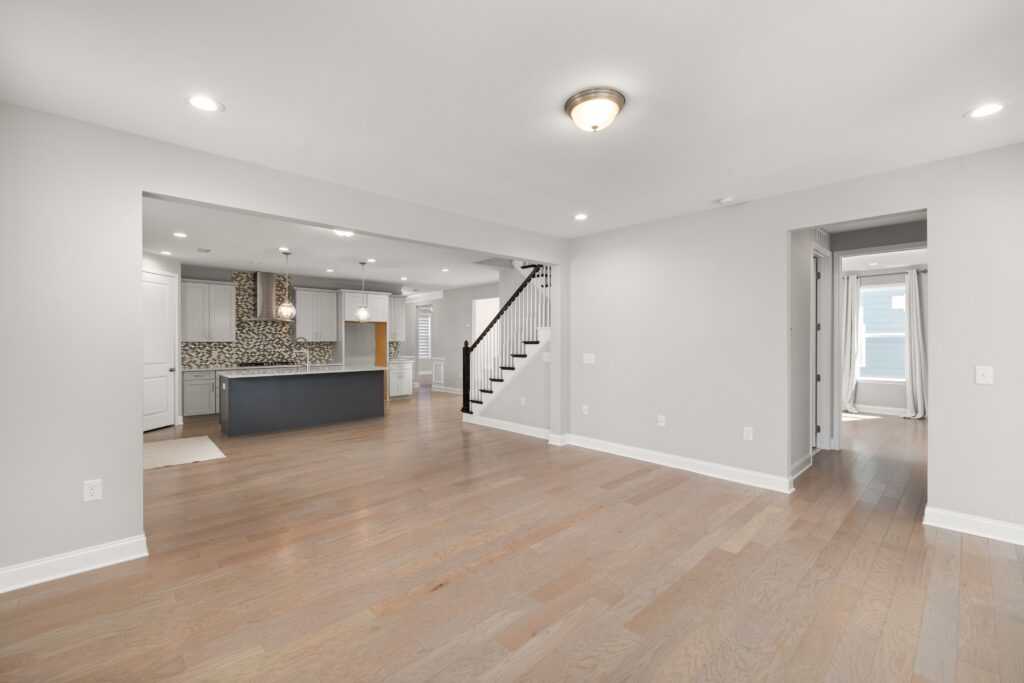
Selecting the right flooring for your home is one of the most critical decisions in any building or renovation project. Flooring impacts visual aesthetics, comfort underfoot, acoustic insulation, daily maintenance routines, and the long-term value of your property.
With dozens of materials available on the market today, identifying the best option for your lifestyle and budget requires balancing aesthetics, durability, moisture resistance, and thermal efficiency. Below is an in-depth breakdown of the primary flooring types, their distinct characteristics, and how to select the perfect foundation for your space.
1. Hardwood Flooring
Hardwood remains a timeless standard in residential architecture, prized for its rich grain patterns, natural character, and inviting warmth. It delivers exceptional aesthetic value that enhances home resale appeal across generations.
However, selecting the right hardwood requires balancing your lifestyle needs, budget, and subfloor conditions. You must evaluate ambient humidity, moisture exposure, and refinishing expectations to ensure long-term structural integrity.
- Solid Hardwood: Milled from a single piece of timber, offering unmatched longevity and the ability to be refinished multiple times.
- Engineered Hardwood: Built with a real wood veneer over stacked plywood layers, providing superior stability against ambient moisture shifts.
- Refinishing Potential: Allows homeowners to completely sand down and restain the surface to match evolving interior design trends over time.
- Moisture Limitations: Highly sensitive to standing water and humidity, making it unsuitable for basements or full, unventilated bathrooms.
2. Laminate Flooring
Laminate flooring offers an economical alternative to natural timber, utilizing high-resolution imagery to replicate wood grains and stone textures with striking accuracy. It provides budget-conscious homeowners with a tough, wear-resistant surface.
Designed for modern busy households, laminate handles high foot traffic and active pets effortlessly. Its simple click-lock mechanism also enables fast, cost-effective installation across various dry subfloors.
- Layered Construction: Engineered with a dense fiberboard core, photographic image layer, and a protective resin shield for high durability.
- Scratch Resistance: Delivers exceptional protection against daily scuffs, pet claws, and heavy foot traffic in active household spaces.
- Installation Efficiency: Features user-friendly click-lock edges that snap together quickly without requiring specialized tools or messy adhesives.
- Water Vulnerability: Prolonged exposure to standing water can seep into joints, causing permanent fiberboard core swelling and board warping.
3. Luxury Vinyl Plank (LVP) and Tile (LVT)
Luxury vinyl flooring has quickly transformed residential design, becoming the primary choice for high-traffic and moisture-prone rooms. Its synthetic makeup delivers complete waterproof protection alongside realistic wood and stone aesthetics.
It feels soft underfoot, reduces room echoes, and easily withstands heavy daily wear from pets, footwear, and liquid spills. This balance makes it extremely versatile for modern living.
- 100% Waterproof: Built entirely from synthetic materials, making it completely impervious to water damage in wet home environments.
- Rigid SPC Core: Features a stone-plastic composite core that hides minor subfloor flaws and resists severe impacts from dropped objects.
- Acoustic Comfort: Absorbs footstep noise and dampens room sound transmission, creating a significantly quieter environment across multi-story homes.
- Easy Maintenance: Requires simple sweeping and damp mopping to maintain its clean, polished appearance without needing special chemical treatments.
4. Tile Flooring
Tile flooring provides unrivaled durability and design flexibility, ranging from sleek porcelain slabs to detailed ceramic mosaic patterns. Renowned for its complete water resistance, tile is ideal for heavy-use moisture zones.
While hard and naturally cool to the touch, it offers an enduring, hygienic surface that resists wear indefinitely. It remains a top choice for permanent, low-maintenance home installations.
- Porcelain Density: Crafted from refined clay fired at extreme heat, creating an exceptionally dense, non-porous, and durable tile surface.
- Ceramic Versatility: Lighter and easier to cut than porcelain, offering a cost-effective solution for low-traffic interior wall and floor areas.
- Indestructible Surface: Offers extreme resistance against deep scratches, heavy furniture weight, harsh domestic chemicals, and high heat exposure.
- Thermal Conductivity: Feels cold on bare feet in winter months unless paired with an effective underfloor radiant heating assembly.
5. Subfloor Heating Integration
When planning a floor installation, consider not just the finished surface, but what goes beneath it. Hard surfaces like tile, stone, engineered wood, and laminate can feel uncomfortably chilly during winter.
Integrating underfloor radiant heating converts your entire floor into a gentle, uniform heat source. Using low-profile, aluminum-backed panels ensures fast heat distribution across wood, tile, or laminate floors without heavy concrete pours. Evaluating different radiant heating subfloor options helps builders compare board profiles and choose the most effective assembly.
- Radiant Efficiency: Delivers direct, consistent heat from the ground up, eliminating drafty cold spots and reducing overall heating bills.
- Aluminum Conduction: Utilizes conductive metal backings to rapidly transfer heat upward through wood, laminate, or tile floor coverings.
- Low-Profile Panels: Fits seamlessly into thin floor profiles, avoiding substantial floor height elevations during residential room remodel projects.
- Dust-Free Heating: Eliminates forced-air dust circulation, creating a significantly cleaner indoor air environment for family members with allergies.
6. Carpet Flooring
While hard surfaces dominate common areas, carpet remains a favored choice for bedrooms and cozy family spaces. It provides supreme underfoot plushness, exceptional acoustic insulation, and natural warmth retention during cold seasons.
Choosing the right fiber type ensures the ideal balance of comfort, stain resistance, and long-term durability. It transforms living spaces into quiet, inviting retreats built for relaxation.
- Nylon Durability: Highly resilient synthetic fibers that naturally bounce back from heavy foot traffic and heavy furniture pressure points.
- Polyester Stain Protection: Inherently hydrophobic fibers that resist liquid spills and fading, offering budget-friendly comfort for low-traffic bedrooms.
- Wool Natural Luxury: Premium eco-friendly natural fiber delivering unmatched softness, inherent fire retardancy, and natural dirt-repelling capabilities underfoot.
- Noise Dampening: Effectively absorbs ambient room acoustics, footstep impacts, and echoes to create peaceful, quiet living environments.
Matching Flooring Types to Specific Rooms
Matching your chosen flooring material to the specific functional demands of each room ensures long-term satisfaction:
- Entryways & Mudrooms: Requires maximum protection against outdoor debris, moisture, and heavy foot traffic. Waterproof LVP or porcelain tile ensures effortless cleanup when water and dirt get tracked indoors.
- Kitchens & Culinary Areas: Floors must endure heavy foot traffic, frequent food spills, and dropped utensils. Rigid-core LVP or porcelain tile offers the ideal mix of comfort, durability, and easy maintenance.
- Living Rooms & Family Spaces: Main living areas benefit from flooring that combines elegance with structural warmth. Engineered hardwood or quality laminate delivers a timeless look that elevates total home value.
- Bathrooms & Wet Rooms: High humidity and splashing water make moisture protection the top priority. Porcelain tile and waterproof luxury vinyl plank are the absolute best choices to prevent subfloor damage.
Final Thoughts
Every flooring type offers unique benefits, from the timeless beauty of natural hardwood to the rugged waterproof performance of luxury vinyl. By carefully evaluating your space’s moisture exposure, daily foot traffic, and thermal needs, you can select a flooring material and subfloor assembly that delivers beauty, warmth, and durability for years to come.
 Joycenie Sumrall is a passionate organic gardening advocate and sustainable agriculture specialist dedicated to helping home gardeners cultivate food and ornamental plants without synthetic chemicals. With over fifteen years of hands-on experience growing vegetables, maintaining fruit trees, and building healthy soil ecosystems, Joycenie brings practical, evidence-based knowledge to every article she contributes to Garden Nation.
Her work focuses on regenerative gardening practices that enhance soil health, support beneficial insects, and create self-sustaining garden ecosystems. Joycenie specializes in organic pest management strategies, companion planting combinations, composting systems, water conservation techniques, and heirloom seed preservation. She is committed to proving that chemical-free gardening is not only possible but often produces healthier plants and more nutritious harvests.
At Garden Nation, Joycenie explores the intersection of environmental stewardship and food production, offering practical guidance on starting raised beds, growing vegetables in small spaces, and maintaining garden fertility through natural methods. Her articles emphasize the importance of understanding soil biology and working with nature rather than against it. She believes that every gardener, regardless of experience level, can adopt organic practices and contribute to a healthier food system.
Joycenie is particularly passionate about urban agriculture and food security, working with local community gardens and educational initiatives to promote sustainable growing practices. She maintains demonstration gardens showcasing different organic methods and regularly conducts workshops teaching proper composting, soil building, and organic pest management. Her mission is to empower gardeners with the knowledge and confidence to grow their own food sustainably and responsibly.
Joycenie Sumrall is a passionate organic gardening advocate and sustainable agriculture specialist dedicated to helping home gardeners cultivate food and ornamental plants without synthetic chemicals. With over fifteen years of hands-on experience growing vegetables, maintaining fruit trees, and building healthy soil ecosystems, Joycenie brings practical, evidence-based knowledge to every article she contributes to Garden Nation.
Her work focuses on regenerative gardening practices that enhance soil health, support beneficial insects, and create self-sustaining garden ecosystems. Joycenie specializes in organic pest management strategies, companion planting combinations, composting systems, water conservation techniques, and heirloom seed preservation. She is committed to proving that chemical-free gardening is not only possible but often produces healthier plants and more nutritious harvests.
At Garden Nation, Joycenie explores the intersection of environmental stewardship and food production, offering practical guidance on starting raised beds, growing vegetables in small spaces, and maintaining garden fertility through natural methods. Her articles emphasize the importance of understanding soil biology and working with nature rather than against it. She believes that every gardener, regardless of experience level, can adopt organic practices and contribute to a healthier food system.
Joycenie is particularly passionate about urban agriculture and food security, working with local community gardens and educational initiatives to promote sustainable growing practices. She maintains demonstration gardens showcasing different organic methods and regularly conducts workshops teaching proper composting, soil building, and organic pest management. Her mission is to empower gardeners with the knowledge and confidence to grow their own food sustainably and responsibly.